
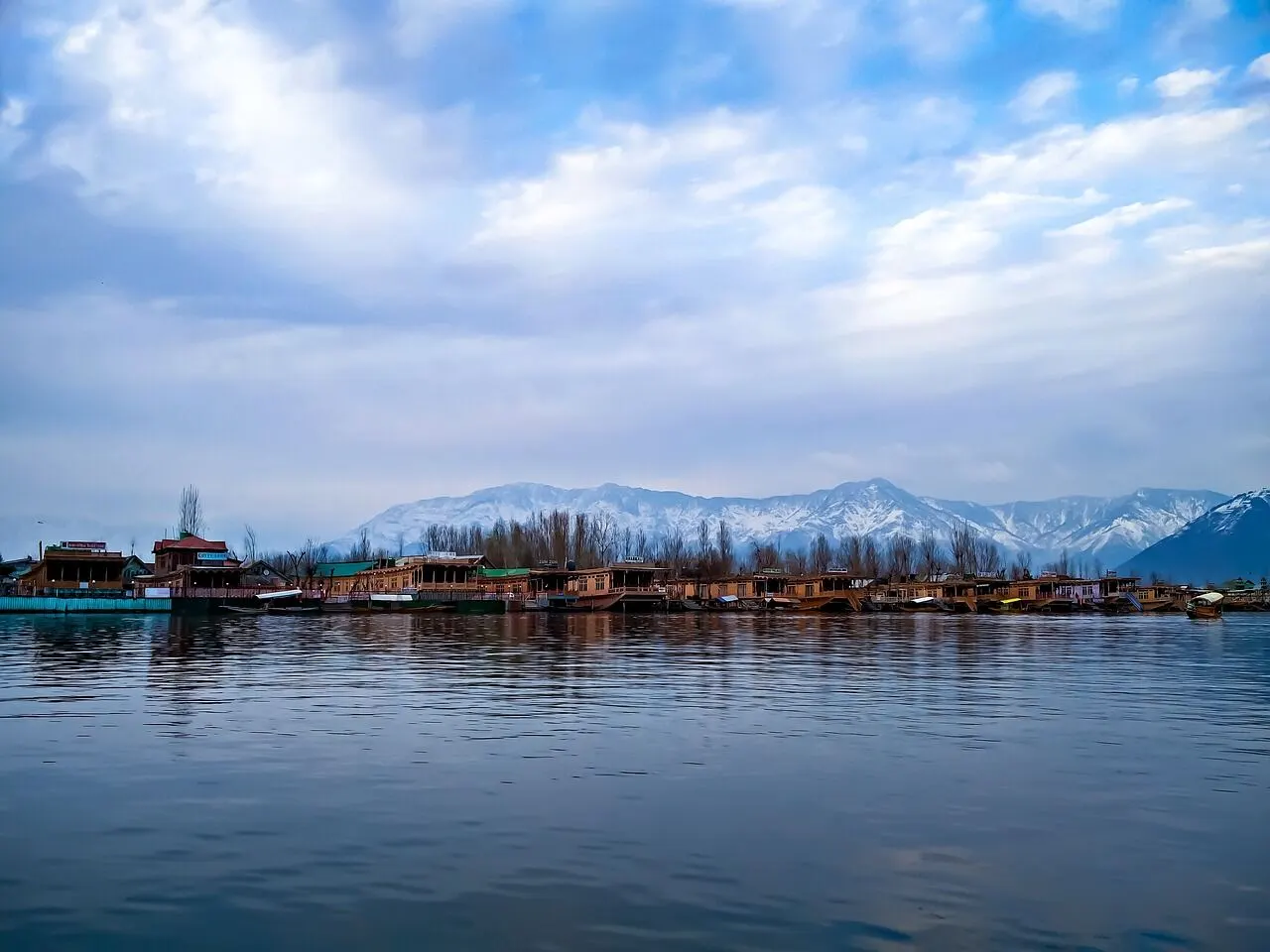
Quick Answer: Kashmir’s wetlands are a winter stopover for hundreds of thousands of migratory ducks and waders from Central Asia and Siberia. The best known is Hokersar, a Ramsar wetland about 10 km north-west of Srinagar, busiest from about October to March. Wular Lake, Shallabugh and Haigam add more wetland birding, and Dachigam National Park, Gulmarg and Pahalgam’s forests hold Himalayan species such as the monal pheasant in other seasons.
Plan your Kashmir trip
Usually replies within 5 minutes on WhatsApp
Want this turned into an actual day by day itinerary and price for your dates?
WhatsApp us your dates4.9★ Google, 130+ reviews · Replies in ~5 min
| Birding at a glance | Detail |
|---|---|
| Top wetland | Hokersar, about 10 km from Srinagar (Ramsar site since 2005) |
| Winter migrants | Roughly October to March |
| Other wetlands | Wular, Shallabugh, Haigam |
| Forest birding | Dachigam, Gulmarg, Pahalgam, spring to autumn |
| Bring | Binoculars, warm layers, patience |
| Permits | Dachigam needs an entry permit |
Where to go
| Place | Habitat | Best season |
|---|---|---|
| Hokersar | Reedbed wetland near Srinagar | October to March |
| Wular Lake | Large freshwater lake, Bandipora | Winter for waterfowl, all year for residents |
| Shallabugh and Haigam | Wetland reserves near Ganderbal and Sopore | Winter |
| Dachigam National Park | Forest and meadows | Spring to autumn |
| Gulmarg and Pahalgam | Conifer forest and alpine meadow | Spring and summer |
See Wular Lake and Dachigam National Park.
What you might see
In winter: mallard, common teal, pintail, gadwall, shoveler, greylag geese and coots on the wetlands, with harriers overhead. In the forests: Himalayan monal, kalij pheasant, woodpeckers, tits, finches and, with luck, golden oriole in summer. Numbers vary a lot from year to year with rainfall and water levels.
Tips
- Go at dawn; birds are most active and the light is soft.
- Wear muted colours and keep voices low.
- Carry binoculars and a long lens; hides and walkways are limited.
- Wetland paths can be muddy; wear boots.
- Check access before you go; water levels and work on the wetlands can change access.
Combine with your Kashmir trip
Hokersar is an easy early-morning add-on to any winter stay in Srinagar; see Srinagar in winter. Nature lovers may also enjoy trout fishing in Kashmir.
Still comparing options? Ask us anything on WhatsApp, honest answers, no pushy sales calls.
Written and checked by the Happy Jacks Tour and Travels planning team in Srinagar, who run these trips, drive these roads and operate our own Pahalgam hotels and cab fleet. Package prices on this page are read live from our published rates. Updated 17 November 2026.
Frequently Asked Questions
Where is the best bird watching in Kashmir?
Hokersar wetland near Srinagar for winter migrants, and Dachigam National Park for forest birds.
When do migratory birds come to Kashmir?
Roughly from October to March, with arrivals depending on rainfall and water levels.
How far is Hokersar from Srinagar?
About 10 km north-west of the city.
Is Hokersar a Ramsar site?
Yes, it was designated a wetland of international importance under the Ramsar Convention in 2005.
Do I need a permit for bird watching?
Not for most wetlands; Dachigam National Park needs an entry permit.
Related pages
Ready to plan your Kashmir trip?
- Family run, based in Srinagar
- Local Kashmiri drivers on every trip
- Straight to WhatsApp, no agent middleman
- Honest per day pricing, confirmed with a simple advance

Plan this trip
Packages that fit this topic, with the real starting price. Every plan is private and can be customised.
0 Comment